The Ultimate Guide to Efficient Dumpster Loading
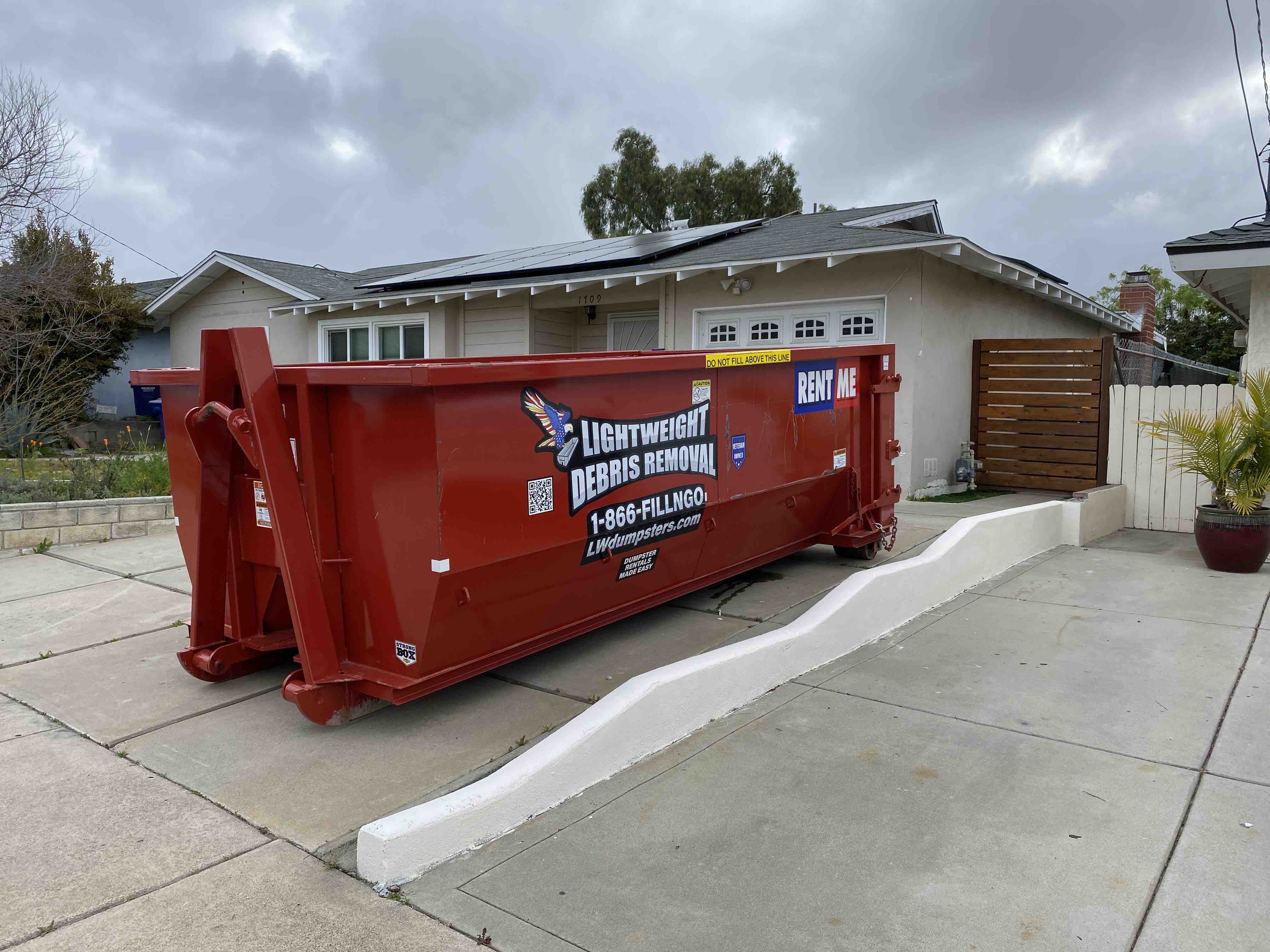
Whether tackling a renovation, cleanup, or building project, you might think dumpster loading is an easy step. But the way items are positioned affects how efficiently you use space, how safely you work, and how quickly you finish. Most people don’t realize how much strategy goes into correct dumpster loading, resulting in inefficient space use, potential danger, and extended work time.
At Lightweight Debris Removal, we highlight that the way you load a dumpster matters as much as picking the right size. Taking an organized approach maximizes container use while ensuring a secure and efficient workspace. Our mission is to guide clients in getting maximum value from their dumpster rental through understanding correct loading methods that minimize clutter, avoid damage, and speed up cleanup.
Planning Before You Start Loading
Before placing any waste into the dumpster, proper preparation is key. Evaluate the debris you plan to throw away and separate recyclables or items needing careful handling. This preparation helps streamline the process and saves time from having to rearrange materials later. You’ll also ensure safer handling since sharp or dangerous items are separated.
Planning how items will be loaded is another critical step. Place heavier or bulkier items first to form a solid base. Afterward, lighter materials can be layered on top to fill in spaces. Proper planning prevents uneven distribution and potential shifting during transport. Strategic organization leads to safer, faster, and more effective loading results.
Using Space Efficiently
Effective space management is essential for optimal dumpster use. Large or bulky debris should be dismantled to conserve room. By flattening cardboard, detaching parts, and compacting items, you free up extra room. This lets you load more effectively and maintain even weight distribution.
Layering materials is another useful trick for maximizing capacity. Use sturdy flat pieces as a bottom layer. Add lighter debris in between to fill open spaces. Keep the load within the dumpster’s limits to ensure safe transport. Layering effectively ensures a neater, safer, and more productive loading experience.
Ensuring Safety While Loading a Dumpster
Keeping safety in mind throughout the loading process is vital. Always wear gloves, closed-toe shoes, and suitable protective clothing. Before you start, ensure the area is free from obstacles or tripping hazards. Being aware of more info your surroundings supports a safer environment for everyone involved.
Do not hurl or drop debris from afar into the container, since this could result in shifting, accidents, or property harm. It’s safer to position items gently and intentionally. If something is heavy or large, ask for assistance rather than risk injury. By practicing caution, you maintain both productivity and protection on-site.
Organizing and Managing Waste Materials Effectively
Sorting materials before and during dumpster loading is one of the best ways to maintain order. Keep comparable debris types—such as wood, metal, or general trash—segregated. Doing so not only streamlines the loading phase but also simplifies unloading and proper disposal. This organization helps identify recyclables and promotes environmentally conscious waste handling.
Proper organization eliminates the hassle of moving things around later. Position lighter, flexible materials toward the top layer and heavy ones beneath. By organizing weight properly, the dumpster remains secure and tidy. Consistent organization results in a faster, safer, and more productive cleanup process overall.
Protecting Your Property During Dumpster Use
Though dumpsters are designed for strength, the ground beneath them may not be. Use wooden beams or other protectors beneath to reduce stress on driveways and pavements. Such a simple step goes far in preserving the condition of your working area.
Choosing the right placement location is just as important. Pick a steady surface that provides safe loading and unobstructed access. Avoid positioning the dumpster too close to structures or landscaping features that could be damaged. Proper planning and setup promote a damage-free and stress-free project environment.
Efficient Dumpster Use for Major Projects
Major cleanup efforts can produce a steady stream of waste that requires planning. Creating a staging area where waste is sorted before reaching the dumpster can streamline loading. It promotes even weight distribution and reduces inefficiencies mid-project.
Teamwork and clear communication are essential to efficient operations. Divide responsibilities among your team to maintain consistent progress. When everyone knows their tasks, the process runs faster and stays organized. Planning and cooperation are vital for completing big projects without unnecessary setbacks.
Understanding Restricted Dumpster Items
Certain items aren’t permitted in regular dumpsters, making awareness essential. Hazardous chemicals, paints, and specific electronics must be disposed of through proper channels. Dumping restricted materials risks pollution and additional disposal problems. Check local guidelines before loading to stay compliant and safe.
Avoid exceeding the dumpster’s weight or fill limit to prevent safety risks. Overweight dumpsters can be unsafe and cause additional service fees. Proper loading maintains safe handling and regulatory compliance. Awareness of limits helps avoid issues during collection and hauling.
Choosing a Dependable Dumpster Rental Partner
Partnering with a trustworthy service improves your overall project results. Lightweight Debris Removal offers expert dumpster rental services designed for both homeowners and contractors. From drop-off to collection, our team ensures a seamless and worry-free rental experience.
Choosing a service dedicated to client satisfaction ensures smoother operations. Attention to detail, communication, and timeliness create successful outcomes. Lightweight Debris Removal continues to prioritize safety, organization, and customer satisfaction in every rental experience.
Maintaining a Clean and Efficient Project Site
Proper dumpster organization contributes to faster, more productive results. A tidy site helps teams focus on tasks without unnecessary clutter or confusion. Through planning and efficient methods, you’ll complete jobs faster and cleaner.
Lightweight Debris Removal encourages clients to see dumpster use as more than just disposal. It provides an opportunity to improve safety, efficiency, and environmental care. With proper organization, attention to detail, and dependable support, efficient loading becomes key to project success.